
 337-201-9222
 Call Us Now
 Email Us Now
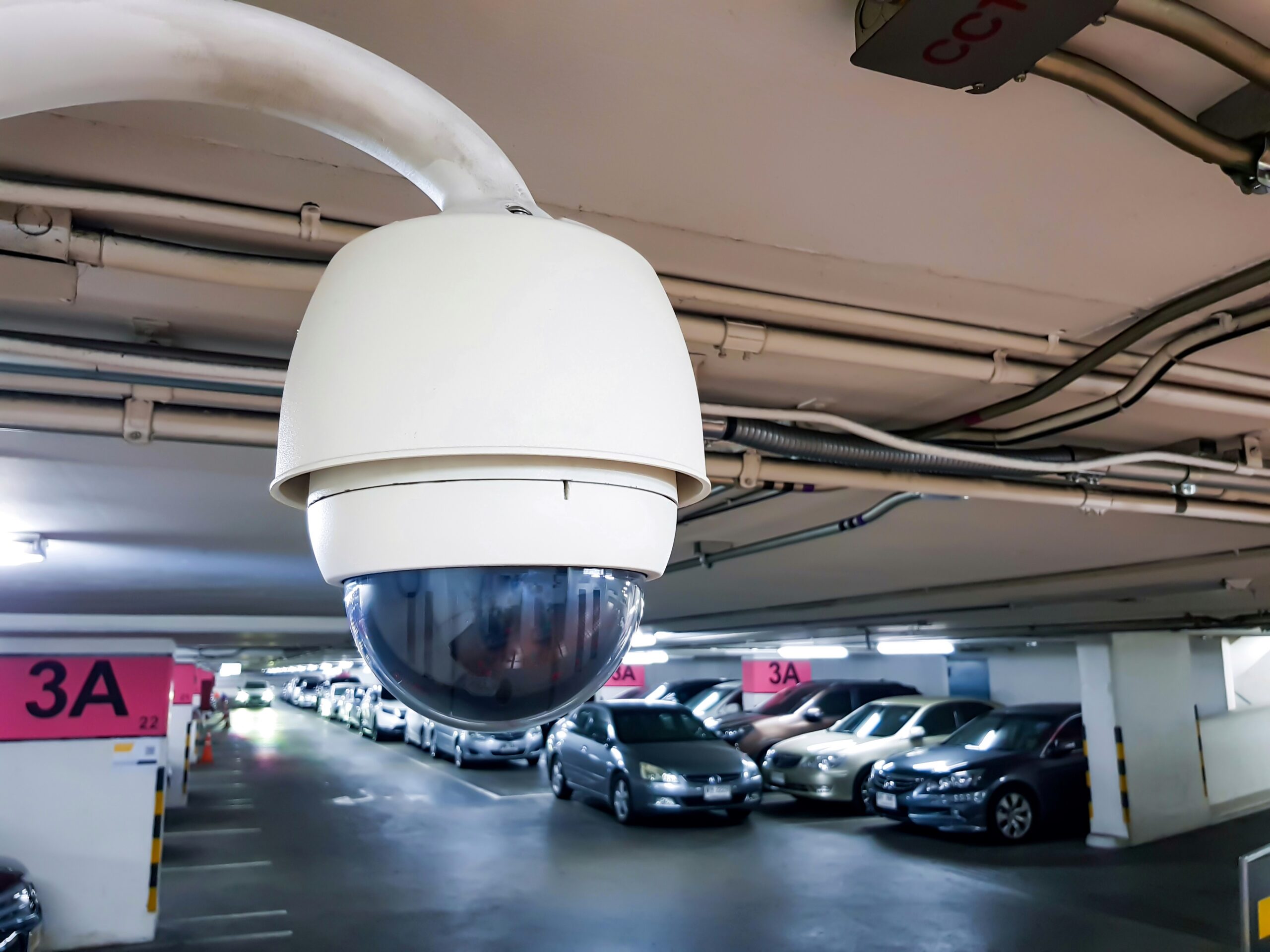
A slip on a wet floor. A fall down a poorly lit staircase. An injury caused by a broken handrail in a Lafayette parking garage. These incidents happen in seconds, but proving what caused them can take months. Surveillance footage is often the most powerful tool available in a premises liability case, and whether that footage is preserved or lost can shape the entire outcome of a claim.
What Is Premises Liability Under Louisiana Law?
In Louisiana, Property owners, custodians, and merchants may be liable when they fail to exercise reasonable care concerning a dangerous condition on their premises. When they fail and someone is hurt, they can be held liable for damages.
Louisiana Civil Code Article 2317.1 holds that the owner of a thing is answerable for damage caused by its ruin, vice, or defect, provided the owner knew or should have known of the defect and failed to take corrective action. This applies to defects in structures or fixed property—such as a broken staircase or railing. For slip-and-fall injuries on a merchant’s premises, Louisiana specifically applies La. R.S. 9:2800.6, which requires proving the merchant had actual or constructive knowledge of an unreasonably dangerous condition and failed to exercise reasonable care.
Surveillance footage can directly address these key statutory elements. A video showing a puddle sitting on the floor for two hours before a customer falls is not just helpful; it can be decisive.
Why Surveillance Footage Matters in Injury Cases
Video evidence removes ambiguity. It shows exactly what happened, when it happened, and whether the property owner had prior notice of the hazard.
In most premises liability disputes, the property owner’s insurance company will argue that the dangerous condition appeared suddenly, that the injured person was not paying attention, or that the business had no knowledge of the hazard. Footage cuts through those arguments.
Here is what surveillance video can establish in a Lafayette premises liability claim:
- The exact moment the hazard formed or was created.
- How long the dangerous condition existed before the injury
- Whether employees walked past the area without addressing it
- The injured person’s conduct and how the fall or injury occurred
- The presence of warning signs, or the lack of them
Video also captures physical details that witnesses often miss or misremember. It is objective, timestamped, and difficult to dispute.
The Problem: Footage Disappears Fast
Most surveillance systems overwrite footage automatically within 24 to 72 hours. Once it’s gone, it’s gone, and that loss often benefits the property owner.
This is one of the most urgent realities in premises liability cases. A written preservation letter is critical, but a property owner may already have a duty to preserve relevant footage once it knows or should know that an injury claim is likely. Without that notice, the footage may be overwritten as part of the normal recording cycle, often within days of the incident.
If you were injured on someone else’s property in Lafayette, time is not on your side when it comes to evidence. The sooner an attorney sends a spoliation of evidence letter to the property owner or business, the better the chance that the footage still exists and can be secured.
Louisiana courts take the destruction of evidence seriously. If footage was destroyed after a preservation duty arose, and especially if the destruction was intentional or in bad faith, a court may allow an unfavorable inference or exclude other evidence. This concept, known as spoliation, can significantly affect how a case unfolds.
How We Fight to Preserve and Use This Evidence
Acting quickly means sending legal notices before footage is overwritten and filing the necessary requests to obtain every available video angle.
At The Law Office of Tony Morrow, we understand how quickly critical evidence can disappear. When a client comes to us after a premises injury, one of our first priorities is to identify every surveillance camera that may have captured the incident, the conditions leading up to it, or the area around it. That includes interior and exterior cameras, cameras at neighboring businesses, and even traffic or municipal cameras near the scene.
We send spoliation letters promptly and follow up with formal discovery requests to compel production of footage that the property owner or their insurer might prefer to withhold. Our approach to personal injury claims is straightforward: gather all available evidence, build the strongest possible case, and fight hard for the people we represent.
Our team has served the Lafayette community for decades. People in this area know who we are and what we stand for, and that reputation means something to us when we walk into a courtroom. You can learn more about our firm and our commitment to this community on our About Us page.
What to Do After a Premises Injury in Lafayette
If you were hurt on someone else’s property, these steps can help protect your claim:
- Report the incident to the property owner or manager immediately and request a copy of the incident report.
- Take photographs of the hazard, the scene, and your injuries.
- Get the names and contact information of any witnesses.
- Seek medical attention right away, even if symptoms seem minor.
- Contact an attorney before speaking with any insurance adjuster.
You can learn more about how to prove negligence in a premises liability claim and why that process demands careful, immediate action.
Talk to Our Team Before That Footage Is Gone
Premises liability cases in Louisiana move on tight timelines. Louisiana Civil Code article 3493.1 sets a two-year prescriptive period for most personal injury actions occurring on or after July 1, 2024, though certain claims or shorter deadlines may still apply, and the evidence window closes even faster. Surveillance footage that exists today may not exist next week.
The Law Office of Tony Morrow is ready to act quickly on your behalf. Contact us today or call us at 337-201-9222 to discuss what happened and your options. We are here to help you understand your rights and pursue the accountability you are owed.
Last updated: October 2026